
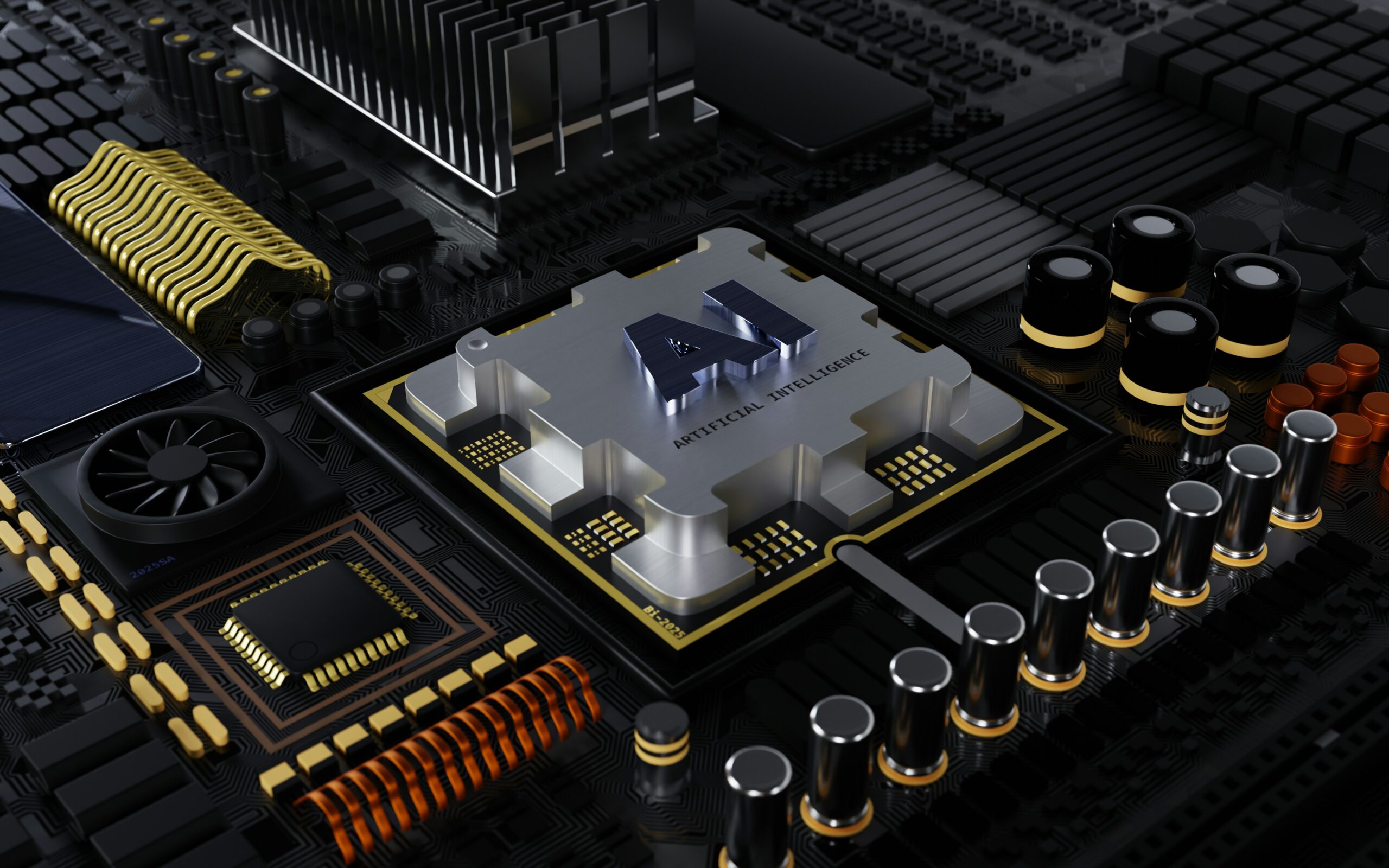
In today’s digital world, technology is embedded into almost every device we use. From smartphones and smart TVs to washing machines, automobiles, medical equipment, and industrial machines, embedded systems play a crucial role in making these devices intelligent and efficient.
An embedded system is a specialized computer system designed to perform a dedicated function within a larger mechanical or electrical system. Unlike general-purpose computers, embedded systems are optimized for specific tasks, ensuring reliability, speed, and efficiency.
What is an Embedded System?
An embedded system combines hardware and software to perform a predefined function. It typically consists of:
- Microcontroller or Microprocessor
- Memory (RAM, ROM, Flash)
- Input Devices (Sensors, Switches)
- Output Devices (Displays, Motors, LEDs)
- Embedded Software/Firmware
These systems are designed to operate continuously with minimal user intervention.
Key Characteristics of Embedded Systems
1. Dedicated Functionality
Embedded systems are designed for specific tasks such as controlling a washing machine cycle or monitoring vehicle engine performance.
2. Real-Time Operation
Many embedded systems must respond to inputs within strict timing constraints. Examples include airbag deployment systems and medical monitoring devices.
3. High Reliability
Since embedded systems often operate in critical environments, they are built for stability and long-term performance.
4. Low Power Consumption
Most embedded devices are optimized to consume minimal power, making them suitable for battery-operated applications.
5. Compact Size
Embedded systems are designed to fit within small electronic devices while delivering powerful functionality.
Applications of Embedded Systems
Consumer Electronics
- Smart TVs
- Digital Cameras
- Air Conditioners
- Microwave Ovens
- Smart Refrigerators
Automotive Industry
- Engine Control Units (ECU)
- Anti-lock Braking Systems (ABS)
- Airbag Control Systems
- Advanced Driver Assistance Systems (ADAS)
Healthcare
- Patient Monitoring Systems
- ECG Machines
- Insulin Pumps
- Medical Imaging Equipment
Industrial Automation
- Programmable Logic Controllers (PLC)
- Robotics Systems
- Manufacturing Automation
- Process Control Systems
Internet of Things (IoT)
- Smart Home Devices
- Smart Lighting
- Wearable Technology
- Smart Agriculture Solutions
Components of an Embedded System
Hardware Components
- Microcontrollers (Arduino, PIC, STM32)
- Sensors
- Communication Modules
- Power Supply Units
- Display Interfaces
Software Components
- Embedded C/C++
- Real-Time Operating Systems (RTOS)
- Device Drivers
- Firmware Applications
Benefits of Embedded Systems
- Faster Performance
- Improved Efficiency
- Lower Power Consumption
- Enhanced Reliability
- Cost-Effective Solutions
- Compact and Portable Design
Future of Embedded Systems
The future of embedded systems is closely connected with emerging technologies such as Artificial Intelligence (AI), Machine Learning (ML), Edge Computing, and the Internet of Things (IoT). Smart devices are becoming increasingly autonomous, enabling advanced automation across industries.
As industries continue to adopt intelligent technologies, the demand for skilled embedded system engineers is expected to grow significantly in sectors such as automotive, healthcare, aerospace, telecommunications, and smart manufacturing.
Conclusion
Embedded systems are the backbone of modern electronic devices, enabling automation, intelligence, and connectivity. From household appliances to advanced industrial equipment, these systems continue to transform the way we live and work. As technology advances, embedded systems will remain a driving force behind innovation, creating smarter and more efficient solutions for the future.